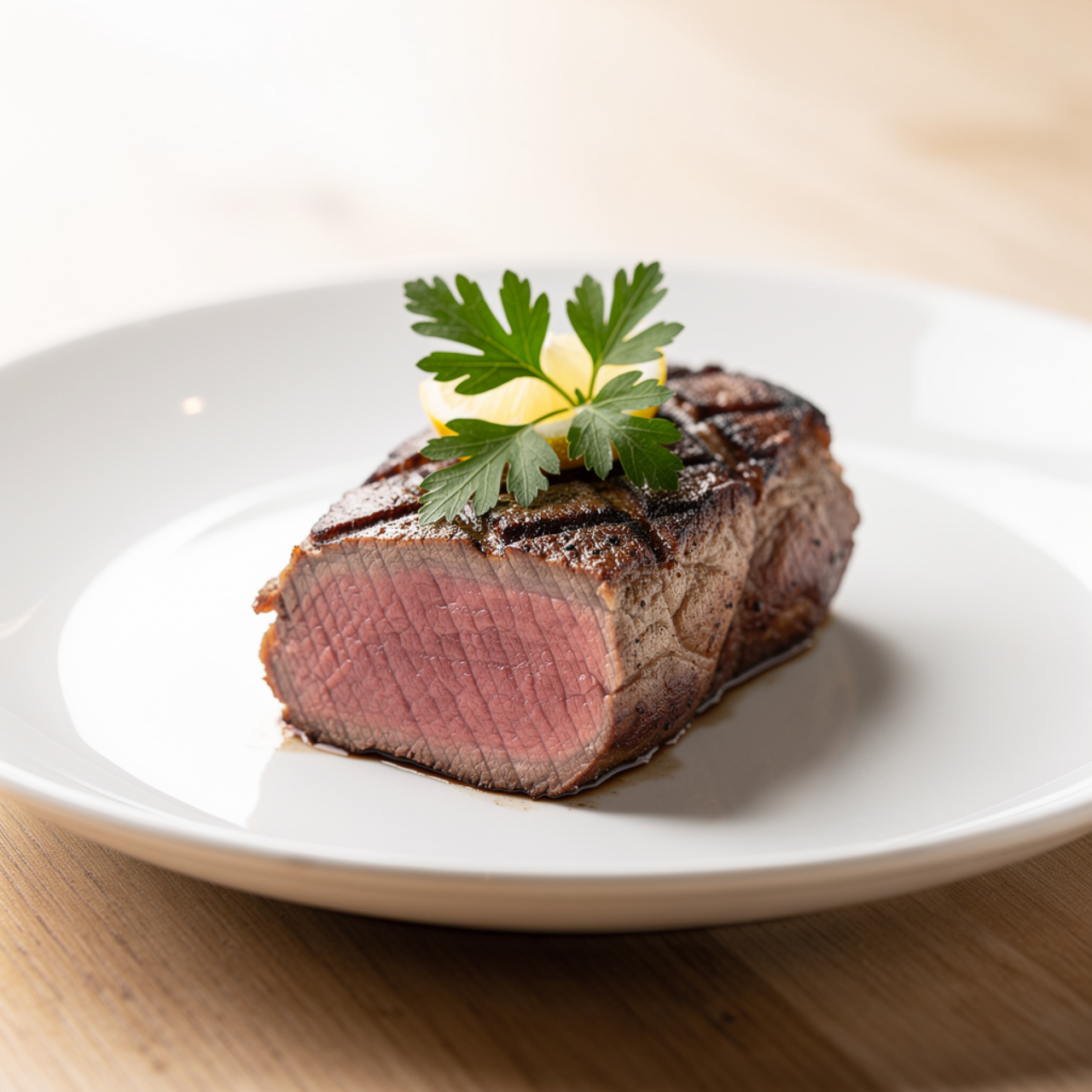
Best Ever Beef Tenderloin
This juicy beef tenderloin recipe delivers a perfectly seared, oven-finished roast with a golden crust and buttery pink center, making it the ultimate easy beef tenderloin dinner for any special occasion.

The Only Beef Tenderloin Recipe You Will Ever Need
There is a reason beef tenderloin is the centerpiece of celebration dinners, holiday tables, and every steakhouse menu worth its salt. It is the most tender cut of beef you can buy, and when it is cooked right, it is nothing short of extraordinary. A burnished, herb-scented crust giving way to a rosy, buttery interior is the kind of thing that makes everyone at the table go completely quiet for a moment.
The good news? You do not need a culinary degree or a professional kitchen to pull this off. This easy beef tenderloin recipe uses a simple cast iron sear-and-roast method that delivers steakhouse results every single time, right in your home oven.
Why the Cast Iron Method Wins Every Time
If you have ever tried an easy beef tenderloin dinner and ended up with a grey, unevenly cooked roast, the technique and the pan were almost certainly to blame. A cast iron skillet holds heat at an intensity that a standard nonstick pan simply cannot match, which is exactly what you need to build that deep, caramelized crust before the roast ever sees the inside of the oven.
The process is called sear-roasting, and it is the same approach used in professional kitchens for a reason. You develop the crust entirely on the stovetop, then carry that momentum into a hot oven to gently bring the center to the perfect temperature. The result is a roast that is evenly cooked from edge to edge with a crust that looks like something out of a magazine.
Chef's Tip: Pat your tenderloin completely dry with paper towels before seasoning. Surface moisture is the enemy of a good sear. The drier the meat, the better the crust.
What Makes This the Best Ever Beef Tenderloin
A great juicy beef tenderloin recipe does not require an extensive ingredient list. It requires the right technique applied to a quality piece of meat. Here is what sets this recipe apart:
- The dry-brine option. Salting the roast and leaving it uncovered in the fridge for up to 24 hours before cooking pulls moisture to the surface, which then reabsorbs into the meat for deeper seasoning and a superior crust.
- Compound herb basting. Adding butter, garlic, rosemary, and thyme directly to the cast iron during the final minute of searing infuses the exterior with an aromatic richness that seasoning alone cannot achieve.
- A quick pan sauce. Those browned bits left in the skillet after roasting are pure flavor. A splash of wine and broth transforms them into a glossy, restaurant-worthy sauce in under five minutes.
- Resting time. Non-negotiable. Ten to fifteen minutes under a foil tent allows the juices to redistribute so every single slice is as juicy as the last.
The right equipment makes all of this dramatically easier. A reliable instant-read thermometer takes all the guesswork out of doneness, and a well-seasoned 12-inch cast iron skillet is the single most important tool in this recipe.
How to Cook Beef Tenderloin: Key Tips Before You Start
Before you fire up the stove, a few things are worth knowing about this cut specifically.
Trimming matters. Beef tenderloin is often sold with a layer of silver skin still attached. This connective tissue does not break down during cooking and will cause the roast to curl and toughen. Use a sharp boning knife to slide under it and pull it away cleanly before seasoning.
Temperature is everything. Pulling the roast from the fridge 45 to 60 minutes before cooking is not optional fussiness. A cold center takes much longer to reach the target temperature, which means by the time the middle is done, the outer portions are overcooked. Room temperature meat cooks evenly.
Know your target temps:
- Rare: 120 degrees F
- Medium-Rare: 125 to 130 degrees F (the sweet spot for this cut)
- Medium: 130 to 135 degrees F
- Well Done: 145 degrees F and above (not recommended for tenderloin)
Warning: Beef tenderloin is a lean, delicate cut. It does not have the intramuscular fat of a ribeye to protect it from overcooking. Pull it from the oven 5 degrees below your target temperature. Carryover heat during resting will finish the job.
Simple Cast Iron Beef Tenderloin: Serving Suggestions
This roast is elegant enough to anchor a full holiday spread and simple enough to serve on a quiet Friday night when you want to do something special without a lot of fuss. Here are a few pairings that work beautifully:
- Classic sides: Creamy mashed potatoes, roasted asparagus, or a wedge salad
- Sauces: The quick red wine pan sauce in this recipe is perfect, but a horseradish cream or a classic béarnaise are both excellent alternatives
- Wine: A full-bodied Cabernet Sauvignon or a Malbec stands up to the richness of the beef without overwhelming it
Ready to make the best beef tenderloin of your life? Here is the full step-by-step recipe:
Best Ever Beef Tenderloin
This juicy beef tenderloin recipe delivers a perfectly seared, oven-finished roast with a golden crust and buttery pink center, making it the ultimate easy beef tenderloin dinner for any special occasion.
Ingredients
- 3 lb beef tenderloin roast, center-cut, trimmed of silver skin
- 2 tsp kosher salt
- 1 1/2 tsp black pepper, freshly cracked
- 1 tsp garlic powder
- 1/2 tsp smoked paprika
- 2 tbsp olive oil, extra virgin
- 3 tbsp unsalted butter, divided
- 4 garlic cloves, smashed
- 3 fresh rosemary sprigs
- 4 fresh thyme sprigs
- 1/4 cup dry red wine, optional, for pan sauce
- 1/2 cup beef broth, low sodium
Instruction
Remove the beef tenderloin from the refrigerator 45 to 60 minutes before cooking to allow it to come to room temperature. This is essential for even cooking throughout the roast.
Preheat your oven to 425 degrees F (220 degrees C).
Pat the tenderloin completely dry with paper towels. In a small bowl, combine the kosher salt, cracked black pepper, garlic powder, and smoked paprika. Rub the spice blend all over the tenderloin, pressing it gently into the meat.
Heat a large oven-safe cast iron skillet over high heat for 2 minutes until it is very hot. Add the olive oil and swirl to coat.
Sear the tenderloin for 2 to 3 minutes per side, turning it with tongs to develop a deep, even brown crust on all sides including the ends. This should take about 10 to 12 minutes total.
Reduce the heat to medium and add 2 tablespoons of butter, the smashed garlic cloves, rosemary, and thyme to the pan. As the butter melts, tilt the pan slightly and use a spoon to baste the top of the tenderloin with the herb butter for 1 minute.
Transfer the skillet directly to the preheated oven. Roast for 18 to 25 minutes, or until an instant-read thermometer inserted into the thickest part reads 125 degrees F (52 degrees C) for medium-rare, or 130 degrees F (54 degrees C) for medium.
Transfer the tenderloin to a cutting board and tent loosely with foil. Let it rest for 10 to 15 minutes. Do not skip this step, as it allows the juices to redistribute.
While the meat rests, make a quick pan sauce. Place the cast iron skillet over medium heat. Carefully pour in the red wine (if using) and beef broth, scraping up any browned bits from the bottom. Simmer for 3 to 4 minutes until slightly reduced, then swirl in the remaining 1 tablespoon of butter.
Slice the tenderloin into medallions about 1 inch thick and serve immediately with the pan drippings or pan sauce spooned over the top.
Equipment
- Large cast iron skillet (12-inch)
- Instant-read meat thermometer
- Tongs
- Cutting board
- Aluminum foil
- Basting spoon
- Small mixing bowl
Notes
Storing and Reheating Leftovers
If you somehow end up with leftovers, consider yourself lucky. Cold beef tenderloin sliced thin and layered on a crusty roll with horseradish aioli is one of the great simple pleasures. For longer storage, wrap the slices tightly and refrigerate for up to three days.
When reheating, patience pays off. A low oven at 275 degrees F with a splash of broth in a covered dish keeps the meat from drying out and preserves that tender texture. Avoid the microwave entirely if you can. It is unkind to a cut this good.
This is the kind of recipe that becomes part of your permanent rotation because it is approachable enough to make on a weeknight and impressive enough to serve to anyone you want to cook for.