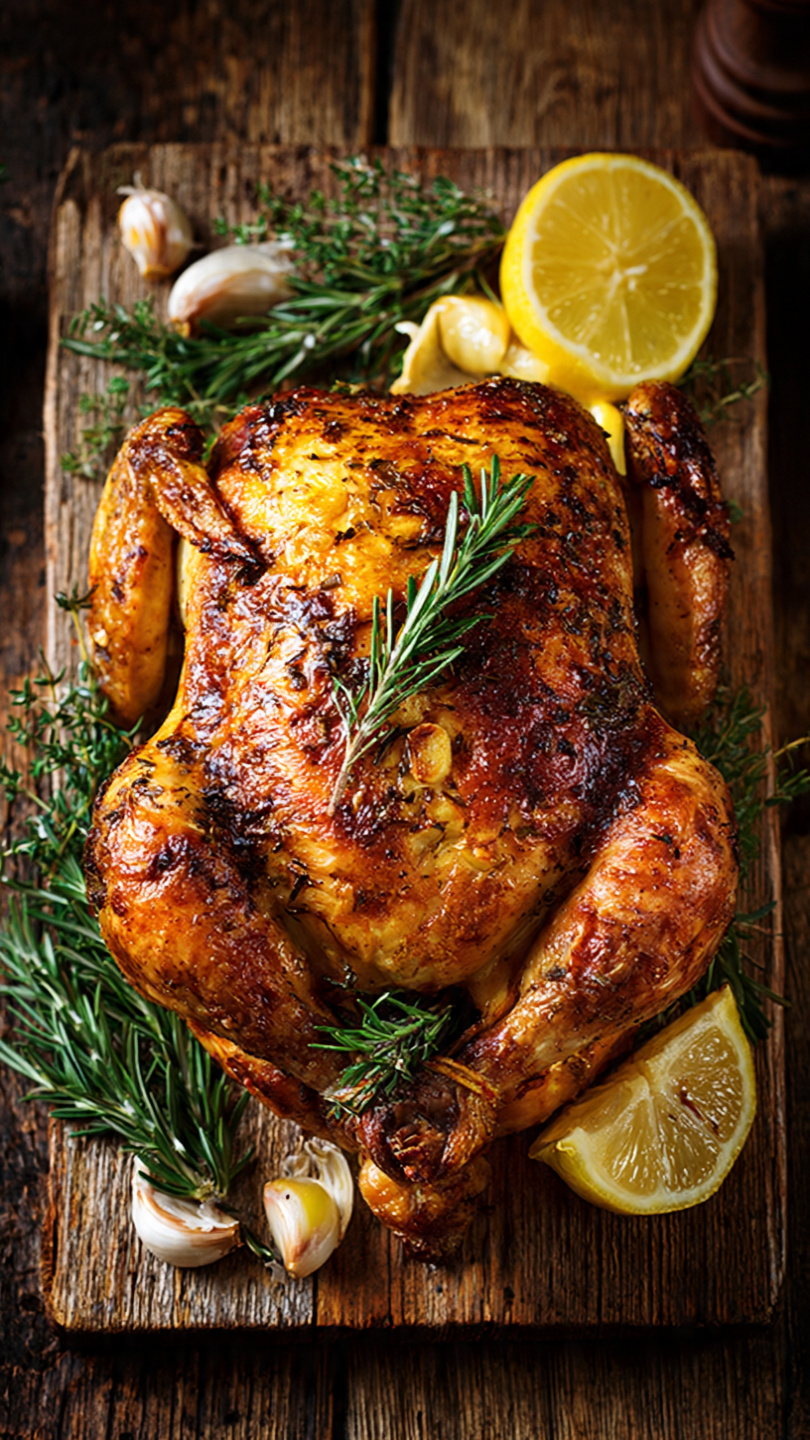
Perfect Whole Roasted Chicken with Crispy Golden Skin
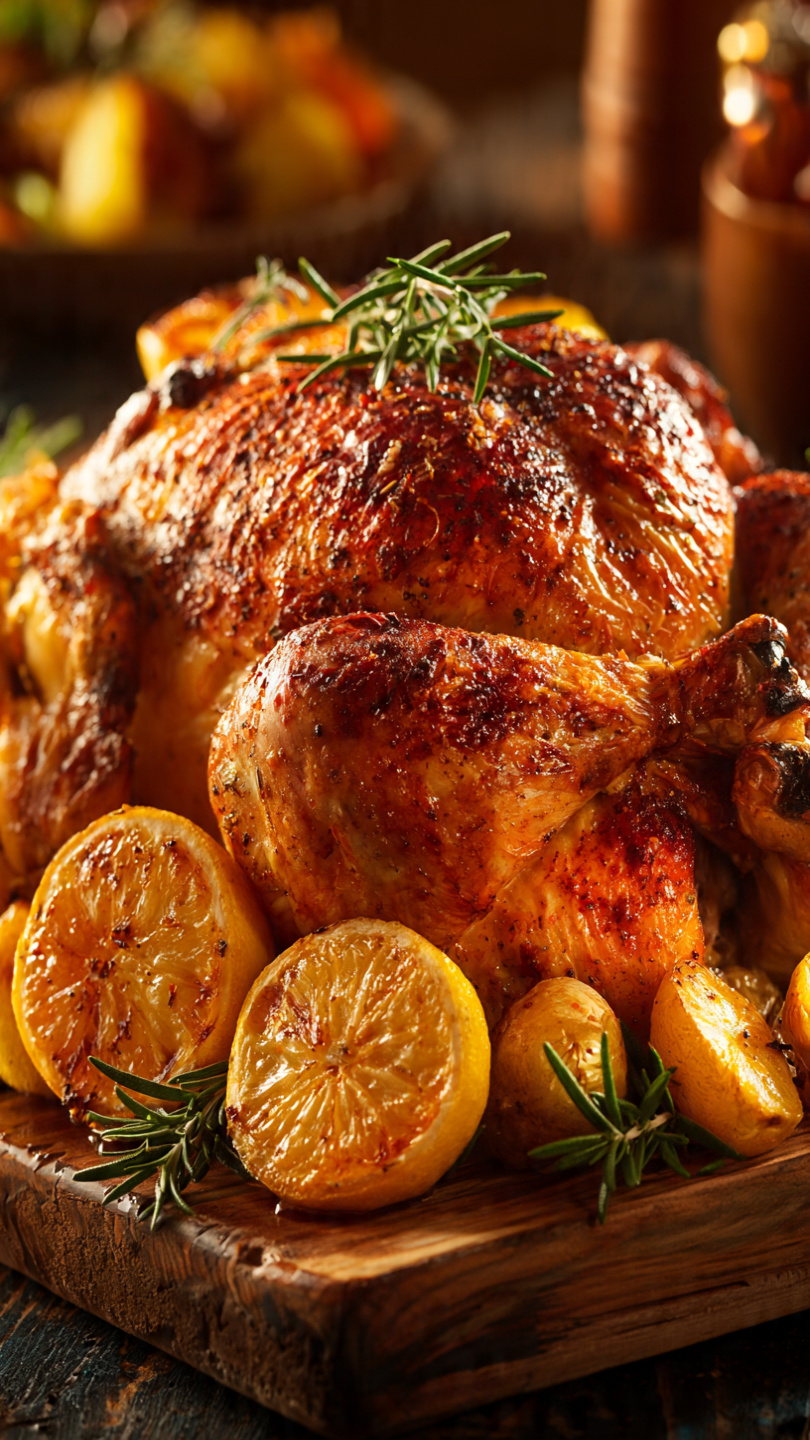
This classic whole roasted chicken delivers impossibly crispy golden skin, juicy meat, and deep savory flavor that makes it the ultimate centerpiece for Sunday dinners, Easter tables, and hearty family gatherings.

The Whole Roasted Chicken That Will Make You Forget Every Other Dinner
There is something almost magical about pulling a perfectly roasted whole chicken out of the oven. The skin crackles when you touch it. The aroma fills every corner of the house. And when you finally carve into it, the juices run clear and the meat falls away from the bone with almost no effort. This is the kind of meal that makes hearty family dinners feel like an occasion, even on an ordinary Tuesday night.
This recipe is built around a few simple but non-negotiable techniques: a deeply flavored herb butter rubbed both under and over the skin, a hot initial blast of heat to lock in that golden color, and a patient rest before carving that makes all the difference. Whether you are cooking a Sunday chicken breast dinner for your family, planning a fresh centerpiece for your Easter table, or just chasing that amazing family dinner feeling, this whole roasted chicken delivers every single time.
Before we get into it, using the right equipment genuinely changes the outcome here. A good roasting pan with low sides promotes airflow for crispier skin, and a reliable instant-read thermometer takes all the guesswork out of knowing when your bird is perfectly done.
Why This Recipe Works So Well
Most roasted chicken recipes either produce beautifully browned skin with slightly dry meat, or juicy meat hidden under pale, soft skin. This recipe solves both problems at once.
The secret is the herb butter under the skin. Pressing softened butter directly against the meat bastes it from the inside while the skin above crisps up freely in the oven's dry heat. You get richness and moisture in the meat and a shatteringly crispy exterior at the same time.
The second trick is drying the chicken completely before it ever touches the butter. Moisture is the enemy of crispiness. Pat that bird down like you mean it.
Chef's Tip: For the crispiest skin you have ever had on a roasted chicken, salt the bird the night before and leave it uncovered in the refrigerator. This dry-brine technique pulls surface moisture away and results in skin that crisps dramatically faster in the oven.
Building Your Herb Butter
The herb butter is where most of the flavor lives in this recipe. It is a simple blend of softened unsalted butter, fresh garlic, rosemary, thyme, smoked paprika, salt, and pepper. You can think of it as a compound butter with ambition.
Fresh herbs make a real difference here versus dried. The oils in fresh rosemary and thyme bloom beautifully in the oven heat and perfume the meat all the way through. If you want to lean into Southern dishes and dinner flavors, add a pinch of cayenne and double the paprika. It gives the bird a gorgeous brick-red crust with a gentle warmth that the whole table will notice.
Once the butter is mixed, work it under the skin of the breasts and thighs using your fingers. Be gentle so you do not tear the skin, but be thorough. You want that butter coating as much of the meat surface as possible.
The Roasting Method: Hot Start, Steady Finish
This chicken starts at 425 degrees F for the first 20 minutes. That initial high heat sets the skin and gets the color developing early. Then the temperature drops to 375 degrees F for the remainder of the cook, which gently brings the meat through to a safe and juicy 165 degrees F without overcooking the breast.
The vegetables in the bottom of the pan, onion, carrots, and celery, do double duty. They elevate the chicken slightly for better air circulation, and they become deeply savory roasted vegetables in their own right, soaking up all those incredible pan drippings as they cook.
Baste the chicken once or twice during the second phase of roasting if you want extra gloss on the skin. It is not strictly necessary, but it is one of those small things that turns a great roasted chicken into something truly memorable.
Ready to make it? Here is the full step-by-step recipe:
Perfect Whole Roasted Chicken with Crispy Golden Skin
This classic whole roasted chicken delivers impossibly crispy golden skin, juicy meat, and deep savory flavor that makes it the ultimate centerpiece for Sunday dinners, Easter tables, and hearty family gatherings.
Ingredients
- 1 whole chicken, 4 to 5 lbs, patted completely dry
- 4 tbsp unsalted butter, softened to room temperature
- 2 tsp kosher salt, plus more for seasoning the cavity
- 1 tsp black pepper, freshly cracked
- 6 garlic cloves, 4 smashed for the cavity, 2 minced for the butter
- 3 fresh rosemary sprigs, 2 for the cavity, 1 finely chopped for butter
- 4 fresh thyme sprigs, 3 for the cavity, 1 finely chopped for butter
- 1 lemon, halved, both halves stuffed into the cavity
- 1 yellow onion, quartered, placed in the roasting pan
- 3 carrots, roughly chopped, placed in the roasting pan
- 3 celery stalks, roughly chopped, placed in the roasting pan
- 1 tbsp olive oil, extra virgin, for drizzling over the vegetables
- 1/2 tsp paprika, smoked or sweet, mixed into the butter
- 1/2 cup chicken broth, added to the bottom of the roasting pan to keep drippings from burning
Instruction
Remove the chicken from the refrigerator at least 30 to 45 minutes before roasting so it comes closer to room temperature. This ensures even cooking throughout.
Preheat your oven to 425 degrees F (220 degrees C). Position the rack in the lower third of the oven.
In a small bowl, combine the softened butter, minced garlic, chopped rosemary, chopped thyme, paprika, salt, and pepper. Mix until smooth and well combined.
Pat the chicken completely dry inside and out with paper towels. This is the single most important step for achieving truly crispy, golden skin.
Using your fingers, gently loosen the skin over the breasts and thighs without tearing it. Rub about half of the herb butter directly under the skin, pressing it flat against the meat.
Rub the remaining herb butter all over the outside of the chicken, coating every surface evenly.
Season the inside of the cavity generously with kosher salt and pepper. Stuff the cavity with the halved lemon, smashed garlic cloves, rosemary sprigs, and thyme sprigs.
Tie the legs together with kitchen twine and tuck the wing tips under the body of the bird to prevent burning.
Scatter the quartered onion, carrots, and celery in the bottom of a roasting pan or oven-safe skillet. Drizzle them with olive oil and pour the chicken broth into the pan. Place the chicken breast-side up on top of the vegetables.
Roast at 425 degrees F for 20 minutes to start building color and crispiness on the skin.
Reduce the oven temperature to 375 degrees F (190 degrees C) and continue roasting for 60 to 70 more minutes, or until the thickest part of the thigh reads 165 degrees F (74 degrees C) on an instant-read thermometer. Baste the chicken with the pan drippings once or twice during this time.
Remove the chicken from the oven and let it rest uncovered on a cutting board for at least 15 minutes before carving. Resting allows the juices to redistribute through the meat.
Carve and serve with the roasted vegetables and pan drippings spooned over the top.
Equipment
- Roasting pan or large oven-safe skillet
- Instant-read meat thermometer
- Kitchen twine
- Basting brush
- Small mixing bowl
- Cutting board
- Sharp carving knife
Notes
Serving, Storing, and What to Do with the Leftovers
Always let the chicken rest for a full 15 minutes before you carve it. Cover it loosely with foil if your kitchen runs cold. This resting period is not optional. It is what keeps the juices in the meat instead of running all over your cutting board.
Serve it simply with the roasted pan vegetables and a spoonful of the drippings over each plate. Roasted potatoes, a green salad, or crusty bread round out an amazing family dinner with very little extra work.
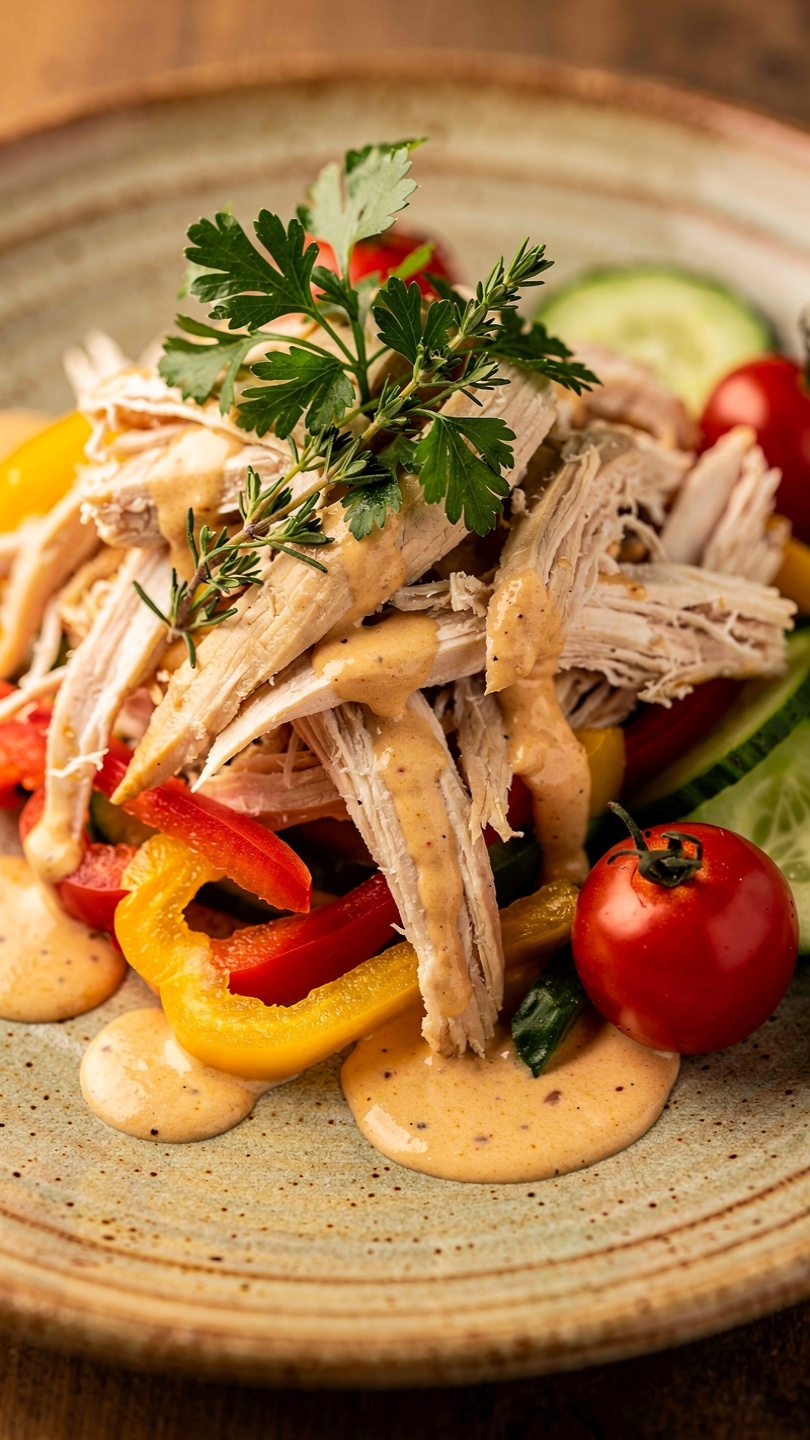
Leftovers keep in the refrigerator for up to 4 days. Shred the remaining meat for tacos, grain bowls, or fresh chicken breast recipes throughout the week. And please, save the carcass. Simmered with aromatics and water for a few hours, it becomes one of the richest, most flavorful homemade chicken stocks you will ever taste.